You can become a historian with a minimum education
level of a bachelor’s degree, however, because the profession of a historian resides in the intellectual field, it is recommended that you obtain further education with a master’s
degree or Ph.D. in a specialized area.
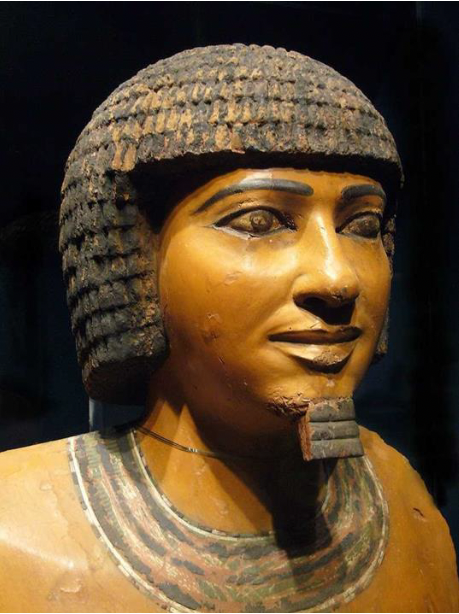
The Greek physician Hippocrates is known as the father of modern medicine, but a Black
Egyptian, Imhotep was practicing medicine and writing on the subject 2,200 years before
Hippocrates.
In ancient Egypt, there was a ‘Medicine God’ known as Imhotep. Imhotep was a real
person that lived in service to a pharaoh during the third dynasty. Imhotep was a polymath (a
genius in multiple subjects). He excelled as a mathematician, priest, a writer, a doctor, and he
founded the Egyptian version of the studies of architecture and astronomy. He is credited with
building the first pyramid created entirely with stone by human hands – the Pyramid of Djoser at
Saqqara, near Memphis.
Egyptians, not Greeks were true fathers of medicine
The research team from the KNH Centre for Biomedical Egyptology at The University of
Manchester discovered the evidence in medical papyri written in 1,500BC – 1,000 years before
Hippocrates was born. Imhotep writings are generally considered the source that the Edwin
Smith Papyrus, an Egyptian medical text, which contains almost 100 anatomical terms and
describes 48 injuries and their treatment.
The Doctoral Program in Medical History with a specialization in Kidney Stones has
been created to help adult students meet the challenges of knowledge of Medical History and
updated knowledge about Kidney Stones, to contribute to their research and implementation. of
the knowledge acquired. This program has been designed to address the needs of professionals in
this medical field and contribute to combining theory with knowledge of the best practices
currently developed in the treatment of the kidneys. Our doctoral program attracts a strong
cohort of students from diverse backgrounds, including medicine, science, history, and kidney
treatment. Our doctoral program prepares them for academic careers in teaching and research.
We offer a combined degree program, the Ph.D. in History of Medicine and Kidney Stone
Treatment, made up of a series of postgraduate courses.
Thematically, the program focuses on histories of health and disease, medical ways of
knowing, healing practices, kidneys, and the body. Our program is warm and collegial;
Typically, our students consult informally with multiple faculty, while working closely with an
advisor or committee. We pride ourselves on careful and close mentoring. All students meet a
common set of requirements, but we tailor the program to fit each student's individual research
and training needs. Students enter the PhD program with diverse backgrounds including
medicine, science, and history.
The Ph.D. program prepares students for scholarly careers in teaching, research, and in
non-academic fields. The work of the PhD program extends over all phases and dimensions of
the development of medicine and related sciences, the history of disease, and the historical
analysis of related conceptual, cultural, and social problems. Students acquire facility in the
methods of historical research and gain a wide acquaintance with the available literature in the
history of medicine, science, and related fields of history. Departmental offerings are particularly
strong in the history of medicine and science in early modern Europe and the Islamic world;
medicine, science, and technology in the United States in the 19th and 20th centuries, including
genetics; history of disease and public health; and studies of health and society in Latin America
and Africa.
Grounded in a learning covenant that engages all stakeholders in co-creating knowledge
and learning, students, guided by faculty and mentors from the field, significantly impact their
organizations and ultimately make major contributions to the field. Doctoral students will
represent organizations or institutions ranging from small companies, fortune 500 companies,
faith-based institutions, non-profit organizations, education, health care, and churches to name
some of the entities of the cohort learning community.
The doctoral program requires a total of 160 credits.
Curriculum:
PMK 5231 History of Medicine: Antiquity to the Scientific Revolution
We review the social, intellectual and cultural history of Western medicine from ancient
times to the seventeenth century, addressing issues such as the social definition of the
physician’s role; cultural perceptions of the body and definitions of health and illness; shifting
patterns of treatment; the epistemology of medicine; and the varying relationship between
medicine and religious belief.
PMK 5245 History of Medicine II: Enlightenment to the Present
This course reviews the social, intellectual, and cultural history of Western medicine
from the eighteenth century to the present. The emphasis is on Western medicine as the result of
Western political-economic and institutional structures, cultural values, and the rise and
complexities of ‘scientific medicine’.
PMK 3521 The History of Public Health
Provides a broad outline of the historical context and development of public health, with
a focus on the industrialized west. The course grounds itself in a critical overview of public
health theory, ideology and practice in the present. We then step back to consider thematic issues
that move from broadly environmental approaches such as quarantine and sanitation; through
interventions in spaces such as workplaces, schools and homes; to the ways that public health
inscribes itself onto the human body through vaccination and immunization. Finally, we trace the
process of professionalization in public health, especially over the last 150 years. As well as
providing an opportunity to understand the historical development of important public health
disciplines such as epidemiology, we also reflect on how the history of public health can help us
think through issues that are fundamental to the human condition and body politic, such as
citizenship, freedom and coercion, individuality and collectivity.
PMK 4111 Eating in Early Modern East
Can we identify a distinctly East Asian food culture, or can we only speak of East Asian
food cultures, plural? How are regional food cultures and culture writ large mutually
constitutive? In this discussion-based course, we explore these questions through focused
readings on the following aspects of local and regional foodways: agricultural environment,
ingredient availability, recipe composition, meal preparation, dining practices, and the
relationship between diet, health, and illness in early modern medical discourse.
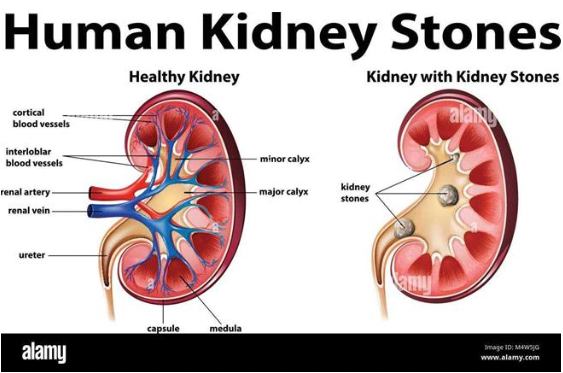
The kidney stone course is designed to assist healthcare providers to:
- recognize the burden of kidney stones
-
understand the causes of kidney stone formation
- understand preventative treatments
The course comprises webinars on:
- why kidney stones form
- nutrition and kidney stone disease
- metabolic evaluation of people with kidney diseases
- pharmacological treatment of metabolic abnormalities related to kidney stone
formation
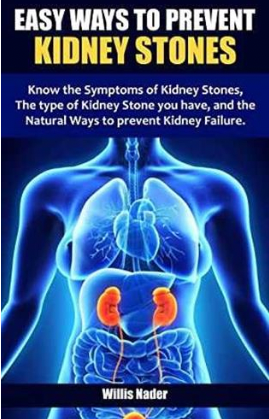
PMK 6211 Nephrolithiasis: Clinical Manifestations and Differential Diagnosis
Nephrolithiasis is the formation of a stone, or calculus, anywhere along the urinary tract caused
by precipitations of solutes in the urine. The most common type of kidney stone is the calcium
oxalate stone, but other types include calcium phosphate, struvite (ammonium magnesium
phosphate), uric acid, and cystine stones. Nephrolithiasis presents with colicky flank pain, which
radiates to the groin, and hematuria due to damage to the ureters. This course, will guide you
through all of the relevant aspects of nephrolithiasis. Etiology, Epidemiology, and Pathogenesis.
Also, Clinical Evaluation, Calcium Stones: Treatment, Uric Acid Stones: Treatment, Struvite
Stones: Treatment, Cystine Stones: Treatment and diagnosis of a Kidney Stone
PMK 1011 Medicine and Science in History: An Introduction to Historiography
Discussion of historiographical developments in, and various approaches to History of Medicine
based on readings of important secondary works.

PMM 3211 Popular Knowledge in medicine
The focus of this course is popular knowledge — both that which is ‘popularized’ and
that which is popular in the sense of ‘of the people’. In putting these two meanings together, I am
asking questions rather than setting out a tidy body of secondary literature. Historians of science
have developed sophisticated ways of thinking about what knowledge is; historians of culture
have debated and re-debated the meanings and utility of the category ‘popular culture’. Our
readings focus on a variety of ways in which these two fields might intersect in explorations of
vernacular knowledge.
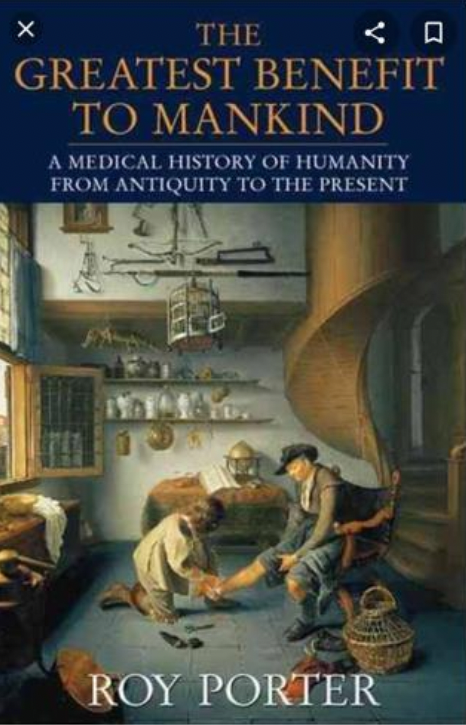
PMM 3216 Individuality in Medicine from Antiquity to the present
A seminar for graduate students and advanced undergraduates. We explore the notion of
the individual in medicine over twenty-five centuries, from the Hippocratics to the invention of
the case study during the Renaissance to the genetic, biochemical, and immunological individual
in recent biomedicine.

PMM 8111 Human Anatomy & Physiology
A complete survey of the anatomy and physiology of the major human organ systems and
the foundational concepts required to understand them. Covers beginner material on introductory
A&P, cells, and tissues, as well as advancing through the skin, skeletal, muscle and nervous
organ systems. This coourse is a more advanced study of the endocrine, lymphatic,
cardiovascular, respiratory, digestive, urinary, and reproductive systems.
Topics:
Intro,
Cells,
Tissues,
Skin,
Skeletal,
Muscle,
Nervous,
Endocrine
PMK 6515 Nephrourological Emergencies
This Nephrourological Emergencies Course will help you, as a professional, to know and
manage the main nephrourological emergencies and emergencies with their different forms of
presentation. In the first place, you will learn about the theoretical-practical management of acute
renal failure, with knowledge about the nursing care that should be applied in the face of this loss
of kidney function.
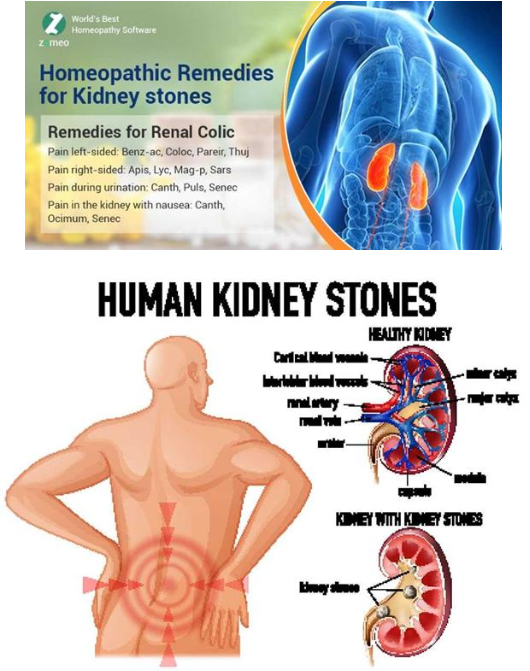
Renal colic
You will learn new experiences in the management of renal colic or nephritic colic and
its differential diagnosis, with the study of basic care and diagnoses of this acute obstruction in
the kidney caused by a lithiasis (kidney stone or stone). You will know the management of
hematuria or blood in the urine, with its nursing control, and you will know what the attitude,
assessment and treatment should be in the face of acute urine retention, as well as the nursing
diagnoses and the corresponding care and interventions in this nephropathy. .
Lower urinary tract infections
Likewise, you will be trained in the management, assessment and care of lower urinary
tract infections, such as in the bladder and urethra, and acute prostatitis. You will know what
your action should be, in the face of acute pyelonephritis (another type of urinary tract infection)
or acute scrotum, knowing the assessment, diagnosis and care of these kidney diseases.
Syllabus of the Nefrourological Emergencies online course
Unit 1: Acute renal failure
Unit 2: Acute renal colic
Unit 3: Hematuria
Unit 4: Acute urine retention
Unit 5: Lower urinary tract infections
Unit 6: Acute Prostatitis
Unit 7: Acute pyelonephritis
Unit 8. Acute scrotum

PMD 4211 Preventing diabetes complications
Diabetes is a chronic (long-lasting) health condition that affects how your body turns food
into energy. Your body breaks down most of the food you eat into sugar (glucose) and releases it
into your bloodstream. When your blood sugar goes up, it signals your pancreas to release insulin.
Insulin acts like a key to let the blood sugar into your body’s cells for use as energy.
With diabetes, your body doesn’t make enough insulin or can’t use it as well as it should.
When there isn’t enough insulin or cells stop responding to insulin, too much blood sugar stays in
your bloodstream. Over time, that can cause serious health problems, such as heart disease, vision
loss, and kidney disease.
This module aims to help health professionals gain an in-depth understanding regarding the
identification and detection of micro and macrovascular diabetes related complications in adults
(with emphasis on those with type 2 diabetes mellitus). Students will learn to examine and discuss
cost effective health service provision for diabetes management to reduce diabetes related
complications and their associated costs.
The course will encourage students to:
Critically analyse current research evidence and guidance, in order to enhance clinical
practice.
Critically analyse and evaluate the economic and social costs related to diabetes and related
complications.
Critically analyse and evaluate outcomes for the prevention, detection and treatment of
diabetes related complications.
Examine, evaluate and change practice in diabetes care and management.
Develop critical awareness of the physiological and psychological impact of diabetes and
its related complications.
Evaluate and reflect on the various hypotheses of pathogenesis of macro- and microvascular diabetic complications.
Reflect on personal learning styles and needs to enhance and develop the practice skills,
and apply them in order to develop a multi-disciplinary team approach to the management of
people with diabetes.
PMC 3315 Biology of Human Cancer
Cancer is a condition where cells in a specific part of the body grow and reproduce
uncontrollably. The cancerous cells can invade and destroy surrounding healthy tissue, including
organs. Cancer sometimes begins in one part of the body before spreading to other areas. This
process is known as metastasis.
Learn cancer biology fundamentals, including cell proliferation, cell death, the process of
metastasis and tumor progression, oncogenes and tumor suppressor genes, and cancer therapeutics.
Explore scientific and clinical research on cancer through readings and presentations.
Growing knowledge of human genetics is changing the way physicians and researchers
approach diagnosis of cancer risk as well as treatment.
Anyone whose work intersects with cancer needs to understand the vital role that genetic information has begun to play in the field of oncology.
Course Topics
Overview of Cancer Genomics
- What is Cancer?
- The Promise of Precision Oncology
The Genetics of Cancer
- Germline and Somatic Mutations
- Cancer as a Genetic Disease
- Cancer Mutations
- Cancer Progression
- The Hallmarks of Cancer
- Cancer Gene Functions
- Clinical Linkage: The Genetics of Gastrointestinal Stromal Tumors (GIST)
- Interactive: Cancer Pathways
Cancer Genomics and Tumor Sequencing
- Sequencing Sample Types
- Sequencing Approaches
- Sequencing Analysis
- Variant Allele Frequency
- Interpreting Variation
- Mutational Signatures
- Clinical Linkage: Tumor Sequencing
- Interactive: Cancer Mutations
Precision Oncology
- Cancer Therapeutics
- Kinase Inhibitors
- Monoclonal Antibody Treatments
- Active Immunotherapies
- Drug Resistance
- Clinical Linkage: Clinical Trials for GIST
- Interactive: Molecularly Targeted Treatments
Wrap-up
- The Future of Precision Oncology
DCP 806 Dissertation
While in residence, each student proposes and completes a substantive, scholarly work
relevant to clinical psychology. The dissertation must represent a student's individual work and
should not exceed 20,000 words in length. The examiners may also prescribe an oral
examination on the subject of the dissertation.
ASSESSMENT POLICIES
EXAMINATIONS
An Examination Committee oversees the entire process and organisation
of exams. The Committee is appointed by MC College’s Governing Board in
conjunction with the Ministry of Higher Education in the Republic ofCuba.
REGISTRATION OF EXAMINATIONS
1. Each graduate student must, at the end of the semester, register for exams
for the course, which he/she has an attendance totaling the credit hours
attached to the course. Failure to attend up to 75% of the credit hours in a
particular course disqualifies a student to sit for theexamination.
2. A course would be examined by one or more of thefollowing:
I. Course work and Attendance 15%
II. Written or Oral Test 30%
III. Seminars 5%
IV. Final Examinations 50%
100%
3. Any student who failed to register and sit for a course is deemed to have
failed the course, unless the College, on reason, grants permission as the
College might accept to be appropriate.
4. Any student who has been absent from the College during the course of the
programme for any reason, either because of illness or other reasons and
whose participation and performance is unsatisfactory, would be barred
from taking the College’s exams.
5. Any student who has failed during the teaching process of the course to
carry out his/her course work, tests or any method of course assessment
cannot be awarded a grade higher than a C, irrespective of his/her
performance in the final exams.
6. Students who for serious reasons as illness or family affliction have been
unable to write one or more exams, may receive permission from the exam
committee to defer the exam to the next supplemental examination.
Evidence for such reason to cause deferment of exams must be produced
to the College’s Governing Board.
7. Students are reminded that cheating in any examination is considered a
serious offence, which could lead to expulsion from the College, or loss of
a session or semester as the College deems fit.
THE CREDIT SYSTEM
The College has attached its credit rating to each course. Each credit rating
for a course indicates the hours, which a student is required to put in a week. The
total credit rating required in a course would be attached during the process of
course registration.
REPEATING GRADUATE EXAMS ANDCOURSES
The first exam resit limits the core to a loss of 10% of all exams; the
second exam resit limits the core to a loss of 15% of all exams; and failure of the
second resit results in a repeat of the program.
Students may repeat a course for which a grade of C or lower is
received. However, courses for which a grade of A or B is received, may not be
repeated. When determining the GPA for a course, both the first and second
grades will count. In this case, only the initial hours will count toward the
doctorate degree requirements.
THE POINT OR GRADING SYSTEM
A grade of C or better is required for all courses which are pre-requisites
to further courses in the student’s doctorate programme. The student’s standing
will be determined on the basis of the annual grade point average (GPA) asthus:
2.0 or better Satisfactory Standing
1.5 – 1.99 Probationary Standing
1.49 – 0 Unsatisfactory Standing
(Students in this category will be
advised by their academic advisor
on how to better their grades.)
EXAMINATION MARKINGS
1. Course Markings:
All courses will be graded by letters which are defined in percentages
as follows; and please note that these letter grades are the basis for grading
students’ final examinations and calculating students’ GPAs at the end of
each semester.
Percentage / Letter Grade / Description
90% – 100% A Distinction
80% - 89% B Very Good
70% - 79% B- Good
60% - 69% C Satisfactory
50% - 59% D Pass
Below 50% F Fail
The final examination mark is the average of all of the marks submitted by
individual examiners. All of the examinations will be graded by letter grades only.
These letter grades are defined as follows:
Letter Grade / Description / Points
A Distinction 4.0
B Very Good 3.0
B- Good 2.5
C Satisfactory 2.0
D Pass 1.5
F Fail 0
Average marks are determined by averaging the point values of allgrades
submitted and converting the result to a letter grade.
Important Note: All examination results from the course examination to
the final examination must be approved and adopted by the College’s Governing
Board before it can be accepted as Official College result.
NOTIFICATION OF RESULTS
At the end of each course examination, students will be notified of their
exam results in points and letter grades, which helps the students to keep track of
their GPA throughout the duration of their course.
However, on completion of their various courses, which is their final
examination, they will be notified of their results after having completed all
other requirements for the award of the College, in degrees categories which is
based on the letter grade/points on their final examination. These categories
are as follows:
Categories Points
I. First Class 3.6 – 4.0
II. Second Class:
(A) Upper Division 3.0 – 3.5,
(B) Lower Division 2.6 – 2.99
III. Third Class 2.5
IV. Pass (Non-continuation Pass) 1.5
V. Fail 0
Please note that for the award of Doctor of Philosophy (Ph.D.), Section 2
- Final Examinations under Examinations applies, after all requirements for
the award of the honours have been fulfilled. These requirements include:
I. Accepted pre-requisite to the Doctor of Philosophy
Degree Programme.
II. Completion of the College’s approved credit ratings.
III. At least 75% participation in all courses leading to the award of
the Doctorate Degree.
IV. Satisfactory completion of the Graduate Dissertation.
V. MC College Board’s approval of their final exams and finally the
awards of the Doctor of Philosophy Degree.