Loading
Loading
تتيح برامج الدكتوراه لدينا فرصة الدراسة المتقدمة مع مرونة إكمال المقررات الدراسية عبر الإنترنت في برنامج على مستوى الدكتوراه.
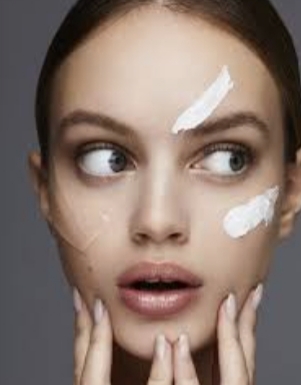
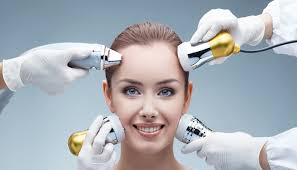
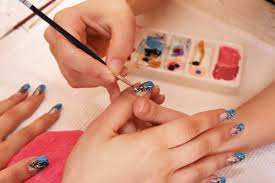
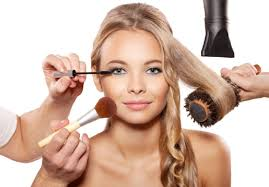
A cosmetologist, also known as a beautician, works with customers to help them accomplish their dream lipstick, hairstyles, and nail designs. Interacting with customers, conducting beautification procedures, and…

A cosmetologist, also known as a beautician, works with customers to help them accomplish their dream lipstick, hairstyles, and nail designs. Interacting with customers, conducting beautification procedures, and delivering spa-like treatments are among their responsibilities.
Course Duration: 1500 Hours
Total Fee: $ 12,000.00
What does a cosmetology do?
Beauty salons and spas are the most popular employers of cosmetologists. They can also be seen working in restaurants, casinos, department stores, and cruise ships. Cosmetologists may also operate as self-employed people on a contract basis. They put their makeup and hair skills to use to help clients achieve the look they want. Their role is to speak to customers about what they want to provide them with useful beauty and skincare tips. In addition to a manicure or pedicure, they can also include hand and foot massages.
Typical responsibilities of the job include:
Hairstylist/Barber
Nail Technician
Make-up Artist
Skin care Technician
Manufacturer’s Representative
Cosmetics Salesperson
Beauty Salon/Barber Shop manager
Beauty Salon/Barber Shop Owner
Educator
Cosmetologists will need certain skills, which include:
Communication: Understanding a client's expectations and desires necessitates excellent organizational skills. When practicing as a Cosmetologist, clients often explain what they want and don't want, and the opportunity to interpret these demands is critical.
Creativity: Cosmetologists would require a lot of imagination. The cosmetology business can be fiercely competitive, and the desire to think outside the box is essential for attracting customers.
4. Perform the basic manipulative skills in the areas of hair care, skin care and nail care.
Dexterity: Healthy mobility skills can lead to a happier customer when the Cosmetologist is cutting hair, shaving facial hair, or waxing. Be able to recognize differences in colors and shades, and have an understanding of fashion, art, and design.
Organization: Multiple clients are often used by cosmetologists in a single day. In this position, the ability to remain coordinated and handle time effectively and productively is critical.
Students must be able to stand for extended periods of time, withstand acidic solutions, use their fingertips and hands quickly and precisely, and have exceptional hand-eye coordination. Cosmetologists must have a lot of stamina because they are always on their feet for long periods of time.
Students should enjoy working with the public and be willing and able to follow instructions.
OBJECTIVES: Upon completion of the course requirements, the determined graduate will be able to:
1. Project a positive attitude and a sense of personal integrity and self-confidence.
2. Practice effective communications skills, visual poise, and proper grooming.
3. Respect the need to deliver worthy service for value received in an employer-employee relationship.
4. Perform the basic manipulative skills in the areas of hair care, skin care and nail care.
5. Perform the basic analytical skills to determine appropriate hair care, skin care, and nail care services to achieve the best total look for each client.
6. Apply academic and practical learning and related information to ensure sound judgments, decisions, and procedures.

SUBJECTS
Module 1- Theory
Limited to Orientation
The history of Cosmetology
Career Opportunities
Life Skills Management
Communicating for Success
State Laws and Regulations
Professional Image
First Aid
Chemistry
Electricity
Professional Ethics
Module 2 - Infection Control
Health
Public Sanitation
Methods
Chemical Agents
Types, Classifications
Bacterial Growth
Biology
Infections
Infection Control
Products
Tools
Equipment use and safety
Module 3 - Scalp Care, Shampooing, And Conditioning
Properties of the Hair and Scalp
Structure and Composition of the Hair
Hair Growth and Loss
Disorders of the Hair and Scalp
Hair and Scalp Analysis
Scalp Care and Massage
Brushing the Hair
Shampooing
Conditioning
Procedures and Practices
Module 4 - Hairstyling
Principles, Elements, and Philosophy of Hair Design
Creating Harmony
Designing for Men
Principles and Techniques of Wet Styling
Blow-drying and Waving
Hair Wrapping
Finger Waving
Hair Dressing
Braiding
Hair Extensions
Enhancements, and Wigs
Thermal Hair Straightening
Styling Long Hair
Styling Procedures
Module 5 - Haircutting
Client Consultation
Basic Principles and Techniques of Sectioning and Haircutting
Haircutting Tools
Body and Posture Positioning
Removing Length or Bulk with Razor
Scissors
Clippers
Shears
Basic Haircut Procedures
Module 6 - Hair Coloring
Identifying Natural Hair Color and Tone
Types of Haircolor
Client Consultation,
Principles and Techniques of Temporary
Semipermanent
Permanent Colors
Lightening
Tinting
Toning
Highlighting
Special Effects
Haircolor Safety Precautions
Color Procedures
Module 7 - Chemical Hair Texture Services
Brushing the Hair
The Hair Structure
Principles and Techniques of Sectioning
Wrapping
Processing
Curling
Relaxing and Curl Reforming
Procedures
Module 8 - Facials and Makeup
Skin Structure and Growth
Skin Disorders and Diseases
Skin Analysis and Consultation
Determining Skin Type
Skin Care Products
Client Consultation
Facial Massage
Facial Equipment
Electrotherapy and Light Therapy
Aromatherapy
Principles and Techniques of Skin Chemical Procedures
Histology of the Sin
Facial Treatments
Cosmetic Application
Artificial Eyelashes
Removal of Unwanted Hair
Lash/Brow Tinting
Makeup Color Theory
Procedures
Module 9 - Manicuring, Pedicuring, Nail Extensions
Nail Structure and growth
Nail Disorders and Diseased
Tools and Products
Principles and Techniques of Manicuring
Pedicuring and Advanced nail Techniques
Aromatherapy
Paraffin Wax Treatments
Nail Art
Procedures
Module 10 - Salon Business, Retail Sales
Fundamentals of Business Management
Opening a Salon
Business Plan
Written Agreements
Licensing Requirements and Regulations
Laws
Salon Operations
Policies
Practices
Compensation Packages
Payroll Deductions
Telephone Use
Advertising
Sales
Communications
Public/human Relations
Insurance
Seeking Employment
Job Skills
Salon Safety
Building Your Business
Books
Milady Standard Cosmetology 13th Edition by Milady (Author) ISBN-13: 978-1285769417 ISBN-10: 9781285769417
Exam Review Milady Standard Cosmetology 2016 (Milday Standard Cosmetology Exam Review) Csm Edition by AA.VV. AA.VV. (Author) ISBN-13: 978-1285769554 ISBN-10: 9781285769554
Study Guide: The Essential Companion for Milady Standard Cosmetology 13th Edition by Milady (Author) ISBN-13: 978-1285769639 ISBN-10: 1285769635
Procedures
Michael University Policies:
ADA (Americans with Disabilities Act Statement) If any member of the class feels that she or he has a disability, please advise the instructor of such disability and desired accommodations. Documentation of the disability must be submitted to the Office of Disability Services, in order for reasonable accommodations to be granted. If you have questions regarding documentation, please contact the Office of Disability Services. The instructor will work with you and the Coordinator for Students with Disabilities to provide reasonable accommodations to ensure that you have a fair opportunity to perform in this class.
Attendance: Students are expected to participate in weekly class discussion/activities. Participation is noted and points are assigned. Therefore, “online” attendance at class is imperative. However, if “life” should happen that prevents your attendance at a class, please extend the courtesy of a call or email before the class meeting. (Leave a message on the voice mail if necessary.) Unexcused absence(s) may affect your final grade.
Withdrawal: All withdrawals must be processed through the Registrar’s Office.
Late assignments: Assignments are due on the day listed in the syllabus. Assignments submitted late may be penalized.
Academic Honesty: Plagiarism will not be tolerated in any writing assignment or oral presentation required for the course. Any student who violates this policy will receive a grade of F as defined in the college catalog.
Instructional Methods: Student will assume an active role in the conduct of the classes as discussion leaders, presenters and collaborative research partners.
Seminar Requirements
All out-of-class written assignments must be typed, double-spaced, with one-inch margins, and must follow the guidelines of the APA manual 7th edition.
1. Readings: In order to respond intelligently you will need to read supporting articles and several books. You will be judged in class on your ability to participate in discussions and respond to various questions related to the topics for the class.
2. Multiple Choice Test: Students will complete a mid-term & final multiple choice examination.
Grading
Multiple Choice examinations (2 @ 100) 200 points possible
Total Course Points 200 points possible
Grading Scale
95-100 A (4.00)
90-94 A- (3.67)
87-89 B+ (3.33)
84-86 B (3.00)
80-83 B- (2.67)
77-79 C+ (2.33)
70-76 C (2.00)
Below 60 F (0.00)
تتيح برامج الدكتوراه لدينا فرصة الدراسة المتقدمة مع مرونة إكمال المقررات الدراسية عبر الإنترنت في برنامج على مستوى الدكتوراه.