Loading
Loading
Nuestros programas de doctorado ofrecen la oportunidad de realizar estudios avanzados con la flexibilidad de cursar el trabajo académico en línea en un programa de nivel doctoral.
Physical therapists help injured or ill people improve their movement and manage their pain, typically work in private offices and clinics, hospitals, patients’ homes, and nursing homes. They spend much of their time on…

Physical therapists help injured or ill people improve their movement and manage their pain, typically work in private offices and clinics, hospitals, patients’ homes, and nursing homes. They spend much of their time on their feet, actively working with patients.
Course Duration: 4 Years
Fee: $ 48,000.00
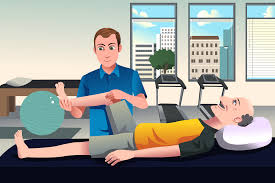
Physical therapists diagnose and treat individuals experiencing pain, functional impairments, and limited mobility due to injury, illness, or disease. These professionals assess and diagnose patients, then use that information to design and implement treatment or fitness plans. Physical therapists provide care for children, adolescents, and adults, often specializing in a specific demographic in their practice.
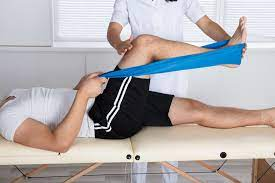
Physical therapists can use exercises, stretching techniques, and specialty sports equipment when working with patients and clients. Additional physical therapy practices include electrotherapy, hydrotherapy, and ultrasound technology. Physical therapists help to restore function, prevent further ailments, and improve overall quality of life for their clients by providing care for their individual needs.
What does a Physical therapist do?
Physical therapists typically do the following:
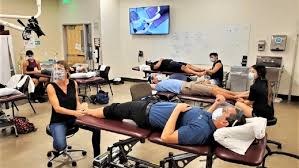
Physical therapists, sometimes called PTs, help injured or ill people improve their movement and manage their pain. These therapists are often an important part of rehabilitation, treatment, and prevention of patients with chronic conditions, illnesses, or injuries.
Physical therapists typically do the following:
Review patients' medical history and any referrals or notes from doctors, surgeons, or other healthcare workers
Diagnose patients' functions and movements by observing them stand or walk and by listening to their concerns, among other methods
Develop individualized plans of care for patients, outlining the patients' goals and the expected outcomes of the plans
Use exercises, stretching maneuvers, hands-on therapy, and equipment to ease patients' pain, help them increase their mobility, prevent further pain or injury, and facilitate health and wellness
Evaluate and record a patient's progress, modifying a plan of care and trying new treatments as needed
Educate patients and their families about what to expect from the recovery process and how best to cope with challenges throughout the process

Skills
Compassion. Physical therapists are often drawn to the profession in part by a desire to help people. They work with people who are in pain and must have empathy for their patients.
Detail oriented. Like other healthcare providers, physical therapists should have strong analytic and observational skills to diagnose a patient's problem, evaluate treatments, and provide safe, effective care.
Dexterity. Physical therapists must use their hands to provide manual therapy and therapeutic exercises. They should feel comfortable massaging and otherwise physically assisting patients.
Interpersonal skills. Because physical therapists spend a lot of time interacting with patients, they should enjoy working with people. They must clearly explain treatment programs, motivate patients, and listen to patients' concerns in order to provide effective therapy.
Physical stamina. Physical therapists spend much of their time on their feet, moving as they demonstrate proper techniques and help patients perform exercises. They should enjoy physical activity.
Resourcefulness. Physical therapists customize treatment plans for patients. They must be flexible and adapt plans of care to meet the needs of each patient.
Time-management skills. Physical therapists typically treat several patients each day. They must provide appropriate care to patients along with completing administrative tasks, such as documenting patient progress.
UNITS
Semester 1
BLS 4111 Calculus
MPT 4129 Medical Ethics
BPT 1102 Human Physiology
BPT 8483 Integrated Clinical Experience I
Semester 2
BPT 8201 Functional Anatomy
BPT 8207 Clinical Medicine and Pharmacology
BPT 8484 Integrated Clinical Experience II
Semester 3
BPT 8204 Movement Science I
MBA 5104 Statistics
BPT 8202 Applied Physiology
Semester 4
BPT 8311 Foundations of Examination
BPT 8205 Movement Science II
BPT 8203 Neuroscience in Rehabilitation I
Semester 5
BPT 8206 Neuroscience in Rehabilitation II
BPT 8361 Clinical Conference I
BPT 8313 Therapeutic Modalities
BPT 8481 Interprofessional Community Practicum
Semester 6
BPT 8362 Clinical Conference II
LAN 5103 Spanish for Business Communication
BPT 8315 Management Musculoskeletal Dysfunction I
MIS 5101 Management Information Systems
Semester 7
BPT 8316 Management Musculoskeletal Dysfunction II
BPT 8320 Management of the Pediatric Client
BPT 8321 Women's Health
Semester 8
BPT 8208 Medical Imaging
BPT 8322 Management of the Aging Adult
BPT 8314 Management of Cardiopulmonary Dysfunction
Semester 9
BPT 8356 Health Promotion and Wellness
BPT 8317 Management of Integumentary Dysfunction
BPT 8323 Prosthetics & Orthotics
Semester 10
MPT 3201 Physical Rehabilitation
BPT 8351 Professional Issues in Physical Therapy Health Care Management I
BPT 8312 Foundations of Interventions
Semester 11
BPT 8318 Management of Neuromotor Dysfunction
BPT 8355 Professional Issues in Physical Therapy Health Care Management II
BPT 8352 Teaching in Physical Therapy Practice
Semester 12
BPT 8491 Clinical Internship
BBA 4999 Undergraduate Thesis
Michael University Policies:
ADA (Americans with Disabilities Act Statement) If any member of the class feels that she or he has a disability, please advise the instructor of such disability and desired accommodations. Documentation of the disability must be submitted to the Office of Disability Services, in order for reasonable accommodations to be granted. If you have questions regarding documentation, please contact the Office of Disability Services. The instructor will work with you and the Coordinator for Students with Disabilities to provide reasonable accommodations to ensure that you have a fair opportunity to perform in this class.
Attendance: Students are expected to participate in weekly class discussion/activities. Participation is noted and points are assigned. Therefore, “online” attendance at class is imperative. However, if “life” should happen that prevents your attendance at a class, please extend the courtesy of a call or email before the class meeting. (Leave a message on the voice mail if necessary.) Unexcused absence(s) may affect your final grade.
Withdrawal: All withdrawals must be processed through the Registrar’s Office.
Late assignments: Assignments are due on the day listed in the syllabus. Assignments submitted late may be penalized.
Academic Honesty: Plagiarism will not be tolerated in any writing assignment or oral presentation required for the course. Any student who violates this policy will receive a grade of F as defined in the college catalog.
Instructional Methods: Student will assume an active role in the conduct of the classes as discussion leaders, presenters and collaborative research partners.
Seminar Requirements
All out-of-class written assignments must be typed, double-spaced, with one-inch margins, and must follow the guidelines of the APA manual 7th edition.
1. Readings: In order to respond intelligently you will need to read supporting articles and several books. You will be judged in class on your ability to participate in discussions and respond to various questions related to the topics for the class.
2. Multiple Choice Test: Students will complete a mid-term & final multiple-choice examination.
Grading
Multiple Choice examinations (2 @ 100) 200 points possible
Total Course Points 200 points possible
Grading Scale
95-100 A (4.00)
90-94 A- (3.67)
87-89 B+ (3.33)
84-86 B (3.00)
80-83 B- (2.67)
77-79 C+ (2.33)
70-76 C (2.00)
Below 60 F (0.00)
Nuestros programas de doctorado ofrecen la oportunidad de realizar estudios avanzados con la flexibilidad de cursar el trabajo académico en línea en un programa de nivel doctoral.